From field to school plate: how this year’s weather is reshaping food supply

Every school lunch starts in a field. This year, those fields had a very difficult summer.
July 2026 was the driest on record in both England and Wales. England received just 6.5mm of rain, 10% of its usual July total and less than half the previous record, set in 1911. Wales recorded 9.3mm, or 9% of average, according to the Met Office. By 10 August, the UK government had declared drought across 71.3% of England.
For anyone who feeds children every day, the question is simple: what does that mean for the plate? The honest answer is that it means change, not crisis. Here is what has happened, what is coming and how school caterers are adapting.
What the drought did to UK crops
The Energy and Climate Intelligence Unit (ECIU) describes 2026 as the UK’s worst harvest on record. Its latest analysis puts UK cereal and oilseed production 3 million tonnes below June forecasts, a loss of about £452 million to farmers.
“The hottest summer on record has delivered us the worst harvest on record,” said Tom Lancaster, farming analyst at ECIU.
Three staples matter most to school menus:
• Wheat: Winter wheat averaged 6.9 tonnes per hectare, about 11% below the five-year average, according to AHDB’s final harvest report. Wheat is the base of bread, pasta, wraps and baking.
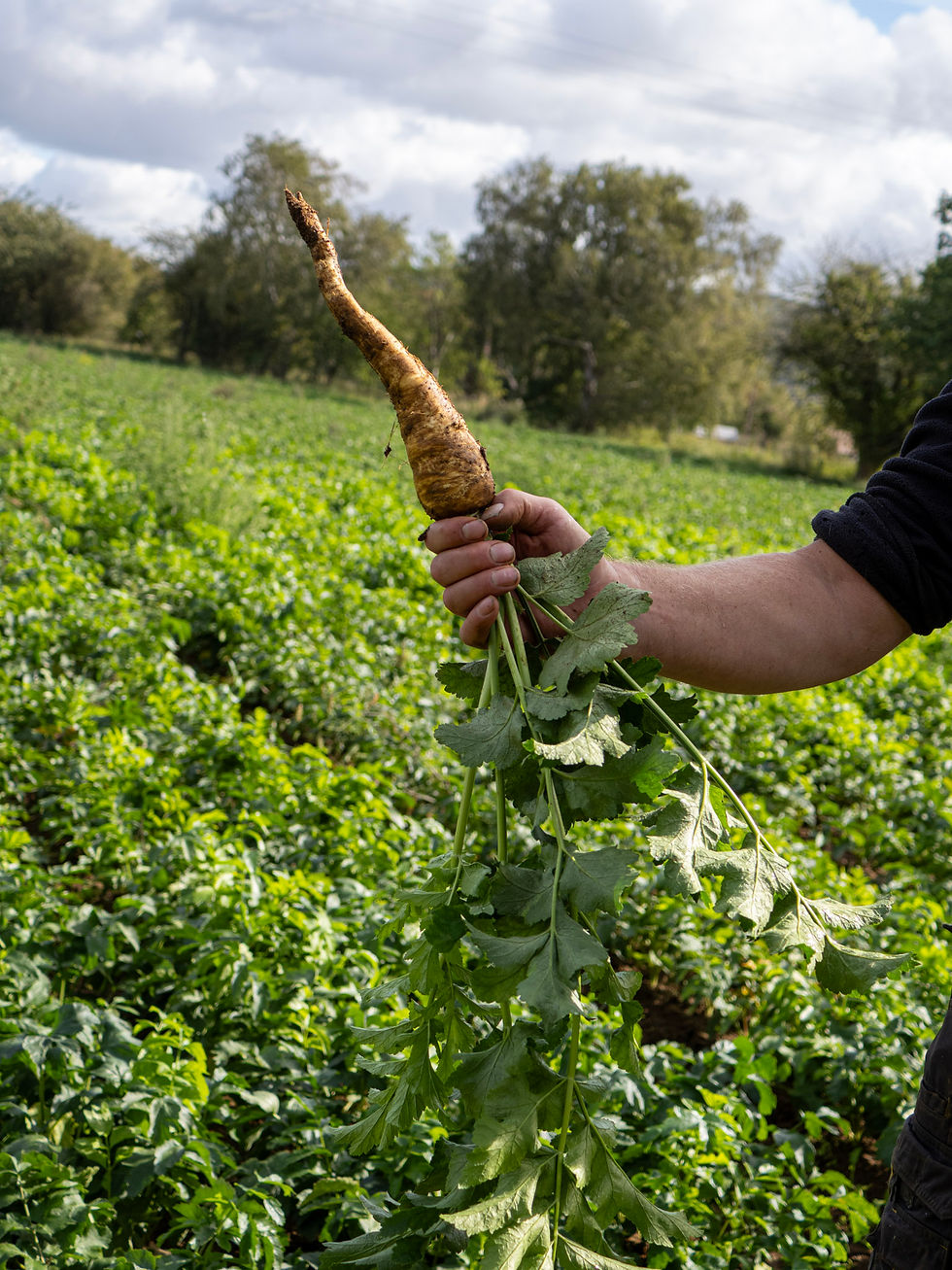
• Potatoes: Drought and heat knocked more than 3.5 million tonnes off the UK and European potato crop, says ECIU. British growers face losses of £80 million to £169 million. Tubers are smaller, and quality varies more from region to region.
• Vegetables: The British Growers Association reports reduced yields of broccoli, cauliflower and cabbage, with some crops going dormant in the heat. Carrots, peas, lettuce and tomatoes have also struggled.

Why El Niño matters, too
The UK drought is only half the story. On the other side of the world, a powerful El Niño is building in the Pacific. In October, the US National Oceanic and Atmospheric Administration (NOAA) gave it an 83% chance of reaching record strength this winter.
El Niño shifts rainfall patterns across Asia, Australia and South America, where much of the world’s rice, sugar, coffee, cocoa and tropical fruit is grown. Rice prices from Thailand, a major exporter, hit a 16-month high in May partly on El Niño fears, according to S&P Global. The World Food Programme warns the event could push 49 million more people into acute hunger worldwide.
The UK imports much of its fruit, rice and ingredients, so weather 10,000 miles away reaches our kitchens through price and availability.
What it means for food costs
Right now, UK food inflation is low. The Office for National Statistics (ONS) measured it at 1.3% in August 2026. That will not last.
The Food and Drink Federation (FDF) forecasts food inflation rising to 3.9% by December 2026 and peaking at 6.4% in July 2027. It calls this cycle “later and longer.” After the 2022 energy shock, many manufacturers locked in prices for longer periods. That delays the impact of today’s higher costs, but it also stretches it out.
Drought is one driver among several. FDF also points to gas prices, which have more than doubled since February 2026, plus transport, packaging and labour costs.
For schools, that matters because meal funding is fixed. The universal infant free school meals rate in England for 2026/27 is £2.66 per meal (Department for Education). Every penny has to work harder.
Will there be shortages?
Widespread shortages are not expected. The grocery analysts at IGD expect more complex sourcing, more volatile costs and greater reliance on imports, rather than empty shelves.
In practice, that means:
• Potatoes may be smaller, so jacket potatoes and chips can look different.
• Some vegetables may be swapped week to week, depending on what is available and good value.
• More produce may come from Spain and the Netherlands while UK supply is short.
How we are adapting
Changes in food supply and, more importantly, food quality mean we have to change and adapt really fast, which means:
• Flexible menus: Building menus around food groups rather than single ingredients means a swap from broccoli to peas, or from potatoes to rice, keeps every meal balanced.
• Supplier partnerships: Working closely with suppliers gives early warning of gaps and time to plan alternatives.
• Less waste: Accurate forecasting and portion control stretch every ingredient further, which matters more when ingredients cost more.
• Standards first. Whatever changes, school food standards and allergen controls do not.
The bigger picture
This is not a one-off. ECIU notes that four of the five worst UK harvests on record have happened this decade. Extreme weather is becoming a regular part of how food is grown, priced and supplied.
That is why the most useful response is steady, early planning rather than alarm. Children still get a hot, balanced meal. What changes is how much work goes on behind the scenes to make sure they do.
If you have questions about your school’s menu, diets@cleverchefs.co,uk
This article draws on market intelligence from our purchasing partner, My Purchasing Partner, alongside the Met Office, ECIU, the Food and Drink Federation and other sources listed below.
Sources: UK government; ECIU; AHDB via Farmers Guide; British Growers Association via FreshPlaza; NOAA; S&P Global; World Food Programme; ONS; Food and Drink Federation; Department for Education; IGD.


Comments